Teams
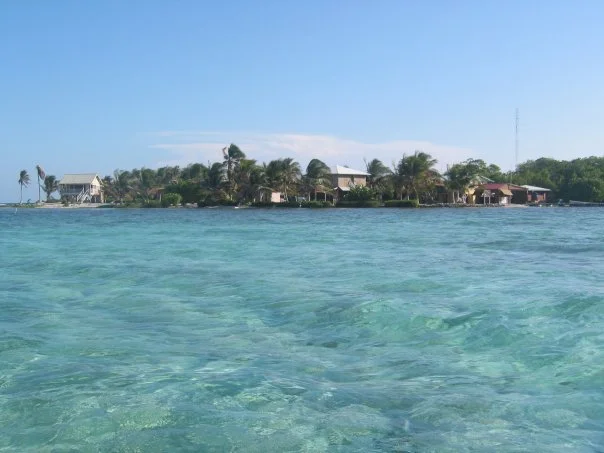
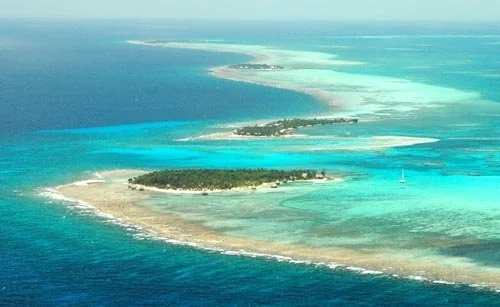
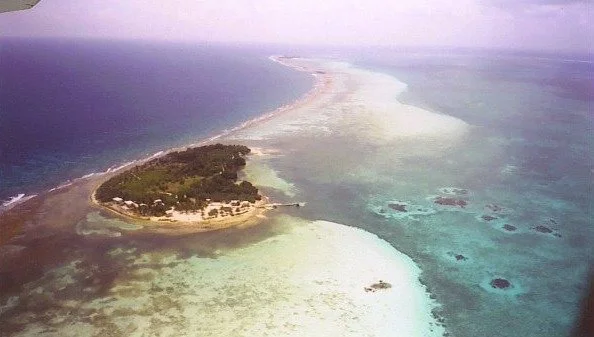
For a time I was the Manager of the Glover’s Reef Marine Research Station. This is a small research station located 30 miles offshore the coast of Belize, lying farthest outside the main reef making it the most remote of Belize's three atolls. It's an oval-shaped coral ring, about 20 miles long by 7 miles wide, surrounding a vast lagoon with numerous patch reefs and coral heads; a mostly protected, shallow area surrounded by deep pelagic waters. One of four small islands in the atoll, Middle Caye, where the station sits, is 15 acres of sand, rock, palms, sea almond and mangroves, and a rugged slip of land rising only 6 feet above the waterline. Beaten by wind, salt and weather the island was dominated by sea and sky. There was always a sense of it being easily subsumed back into the elements that placed it there - time and experience there always felt ephemeral and small amidst the grand environment that shaped us.
Glover’s Reef Marine Research Station
The station was a small collection of buildings on stilts, comprised of two dorms, a lab, workshed and SCUBA compressor building, kitchen, bathhouse, and a 2-room manager house that perched right on the edge of the island, the crashing surf from the reef edge often spraying the windows. At our dock were tied two pangas - narrow, open shallow draft skiffs - for working around the atoll, and slightly bigger open boat for supply runs. We facilitated a multitude of research, and visiting scientists would visit and stay for weeks studying sharks, grouper breeding, coral bleaching, seagrass, turtles, migratory birds, climate, coral recruitment, fisheries management, and a range of environmental science. Researchers from all over the world stayed with us, bringing teams and all manner of equipment to study the air, the water, the wildlife, the deep. We fed them, housed them, studied with them, piloted them around, assisted their research, ran experiments in the lab, conducted monitoring projects and continued their research year-round until they could again return. All the while we built custom equipment and manufactured specialty devices to manage divers, specimens, study plots, and programs - in a place where there was little shelter, no access to modern conveniences, and exposed to all types of conditions.
Glover’s Reef Atoll
My staff worked on a 2-week rotating schedule, synced with our supply runs to the mainland, that were shifts of 6-8 people. Captains, cooks, mechanics, divemasters, caretakers, builders, and fisheries staff worked to maintain systems, keep things running, and toil against the ravages of sun, salt, wind, and time. We were off, off grid - were intermittently solar, wind, and diesel generator powered, relied on catching and storing rainwater, and subsisted on fishing for a large part of our diet. I lived there full-time, often spending months on island without returning to the mainland. It was a tremendously beautiful, fascinating, always changing, and challenging place to be.
Middle Caye
We did tons of work, accomplished a lot every day, and the station was busy and productive producing ground-breaking, useful data across a variety of scientific disciplines. For all of this to work - facilities, logistics, research, maintenance, travel, hospitality, safety - the whole enterprise depended on the positive collaboration of dedicated, hard working individuals, working together as a team. From wrestling heavy loads on small crafts through rough seas, navigating treacherous reef in the dark, logging long dive hours measuring coral, seabed transects, and doing arduous underwater work, rebuilding wind generators with improvised parts, bear-hugging sharks to place radio tags, the endless fixing of things eaten by salty air and sun, evacuating for hurricanes, to quiet mornings and sunrises across delicate horizons, barefoot Christmas celebrations under balmy starlit tropical skies, and bringing the day’s catch to a smiling crew after a long day on the water; we did it all together.
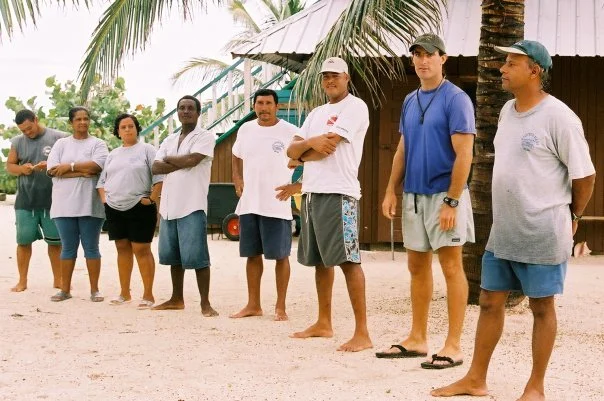
Station Staff
So here, years later, I think of how teams are important to making things work, to enabling us to move projects forward, to work toward goals with confidence and mission. As a risk consultant my work is often to take these past experiences and translate the more salient elements for how we get things done well for clients and partners. Teams are a core component of any Risk Management System. Safety is a team sport, and only through building and fostering strategic, high-functioning teams can we realize our highest quality programs, best work, and confident safeguarding of people, places and things.
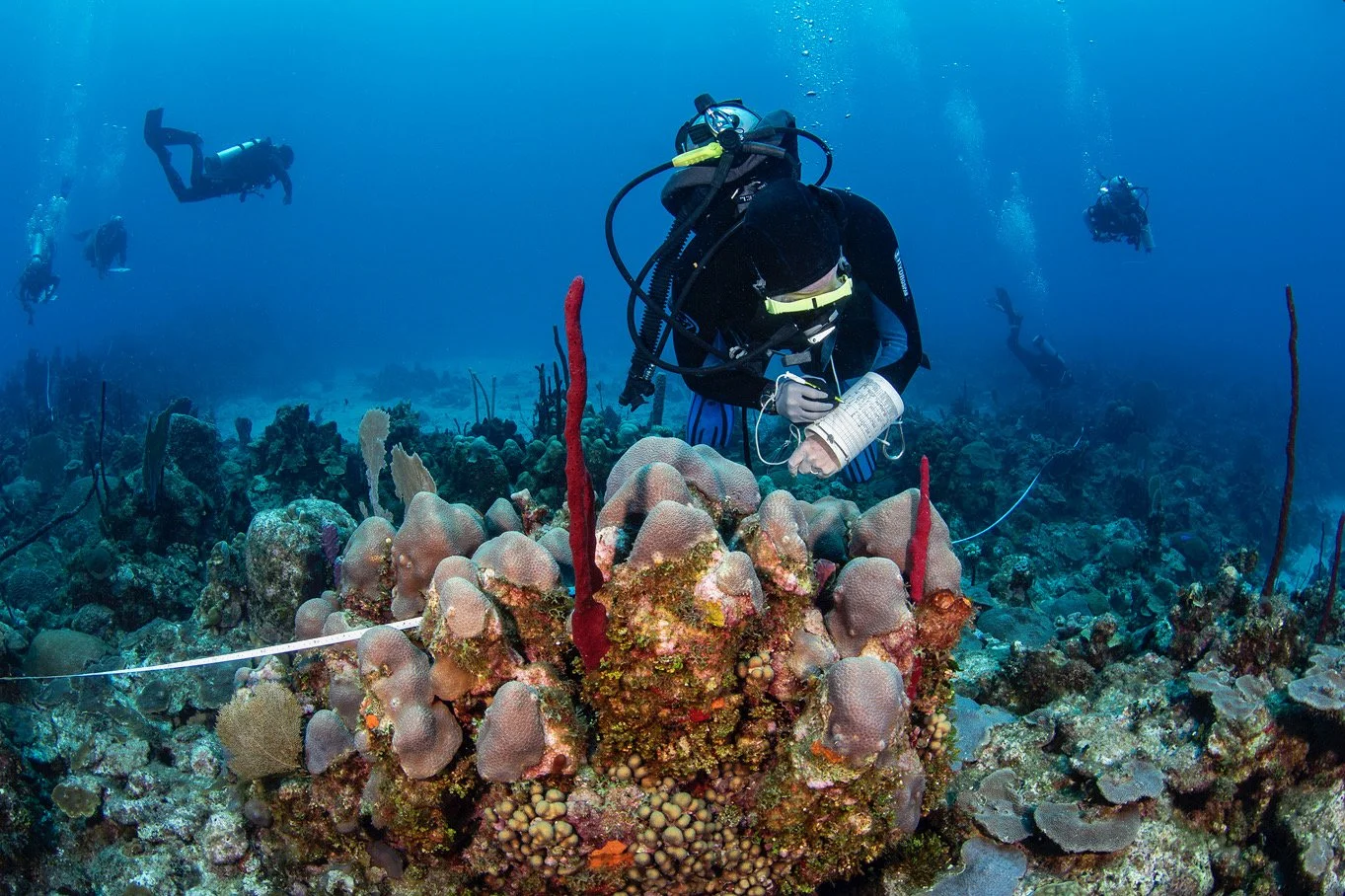
Reef Research
Here are some core attributes to teams and teamwork that should be considered key elements of operating well, maintaining productive working culture, and for enjoying best outcomes.
Trust
- This is the backbone of all teamwork, built through trial and experience, essential to breed a shared faith in ability, commitment, and spirit. Real trust is earned through hard work, showing up when it counts, and pitching in consistently and selflessly. Every time a boat-load of researchers glided off the dock for a day working on the water, I trusted the Captain and divemaster knew their stuff, had a plan, set solid expectations for the crew, and they knew I would move the heavens to to come to their rescue should there be a need. And sometimes there was. We all believed we were stronger together, reliant on in all our abilities no matter what.
Adaptability
- Anyone who spends any time at sea knows there is nothing less predictable than the ocean - moody and erratic, and capricious like the weather. Our life on a tiny island greatly subject to the bold forces of the environment around us meant that change was everywhere, all the time. The ability to change and adapt was crucial for us to operate. Working at the intersection of tides, weather, group dynamics, technical outdoor and underwater work, marine life, and the fickleness of fate demanded we embrace change as a feature of how we worked, communicated, and planned our operations. Accepting change as a given, and being comfortable with it crushes complacency, routines, and energizes teams to create contingencies, think nimbly, and be ready for anything. This was hurricane country after all, the very island we stood on grew and shrunk with each storm. Developing processes that did not fight the changes or try to straighten all the lines out there, but flexed with the expected changing conditions we would likely face built resilience, and inclined us to lean into the embedded risks that came with the territory.
Hierarchy
- Teams work best when organized. The structure can match the mission and goals of the day, but teams with distinct structure and chain of command are efficient, and tend to organize and execute well. This isn’t new thinking, but I chronically see risk management clients of mine fail to do this well. Whether it is new managers, complex work structures, matrixed relationships, or simple social hesitancy - defining leadership and reporting through teams is crucial for setting clear expectations and empowering everyone to function in their role. For all you cannot control in managing risk, this is one thing you can. So don’t waste this gift and build your team structure with care. When difficult, ambiguous, challenging choices need to be made in a motion - coordination is what often makes the difference.
Diversity
- We were a mixed crew: the staff were from 9 countries, spoke 4 languages, had a 50 year age-span, and were a blend of colors, cultures, attitudes, religions, personality and backgrounds. Wrangling this incongruous group on a rough island out at sea without hot water or regular power was and remains the great professional exercise of my life. And it was great fun - in a place that needs so much so often, demands such a variety of skills and experience and perspective - our differences made it possible. We succeeded not in spite of these differences, but because of them. In a year we refitted two boats, cleaned up historic trash sites, doubled the size of the kitchen, built a new bathhouse and staff dorm, doubled our budget and tripled our capital fund, built staff teams and shift schedules that hummed, stabilized our generated power system, increased our wind power, published record research, diversified our bookings, strengthened our governmental relations, and made researchers feel like they were on vacation. We also lost people close to us, broke things, escaped oncoming hurricanes, struggled to sync with global granting groups, and could never seem to be able to catch and relocate the crocodile that lived on the reef and in the mangroves that just kept growing bigger and bigger as it fished and ate birds around the island and posed an increased threat to swimmers and snorkelers. But our diverse opinions and experiences challenged us to be accountable to each other and our workplans that needed to work for the very individuals it relied on.
Respect
- If trust is the framework for a team, respect is the special sauce. While we were a mixed lot, I was the most out of place, and the least likely to have my position there. I had lived in country for a while and was known to work as a fishing guide to some, but I was still from snowy mountain places and had just about everything to learn in this new watery place. The strength, innate abilities, natural insight, good nature, and boundless humor of my colleagues was extraordinary. Interesting people are drawn to challenging work in unusual places, and my education on the water, as a manager, as a friend, and for this special environment built a respect that carried my faith to listen, to trust, to adapt, and contribute as a member of a very memorable team.
Shared Accountability
- While our respective roles had different duties and functions, we were all responsible for the station, the natural resources we were there to study and protect, the care of the researchers, and for each other. We lived in a small place, out at sea, with limited systems, often cut off from the world for weeks at a time. We were in this together and when something went wrong it went wrong for all of us. We all had a stake and contribution in every one of our successes an failures, and we recognized this in the most practical and transparent way possible. There wasn’t enough space to take something too personally for very long, wasn’t enough food to take more than your share, too much work to not do your part, and there were too many projects, funding sources, research consortiums, dependents and family members, partners and community members counting on us to make the place operate well and produce great work to not live up to any and all of these external and internal expectations. Those that couldn’t abide by this didn’t last long, those that did came to be family in the way only living and working together in a remote place can create.
Purpose
- Teams are galvanized by a common mission, where the working elements of a team are brought together through shared, motivating purpose. We were there for the research, for the environment, for the learning opportunities, for the community, for the adventure, for each other. Teams and programs that are mission-aligned and oriented, that have a collective stake in impact and outcome show up with a totally different capacity. Often overlooked as a marketing tool or slogan description - organizations that track and drive toward mission with strong purpose execute better, work more cohesively, and are resilient to change and disruption. Make this intentional, dust off your mission and fold into your culture of operating work to strengthen your teams.
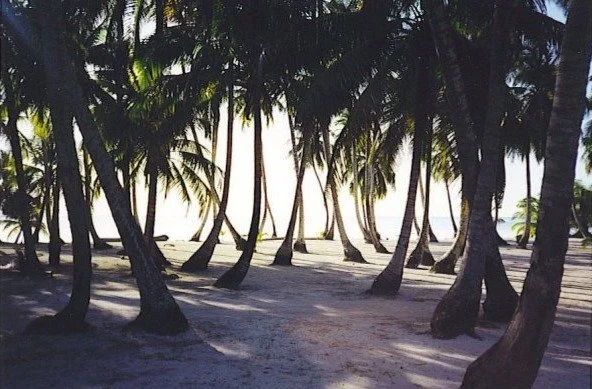
Southwest Caye
By Todd Duncan, Owner/Principal Consultant, SeaBear Safety Solutions