Community
New Friends
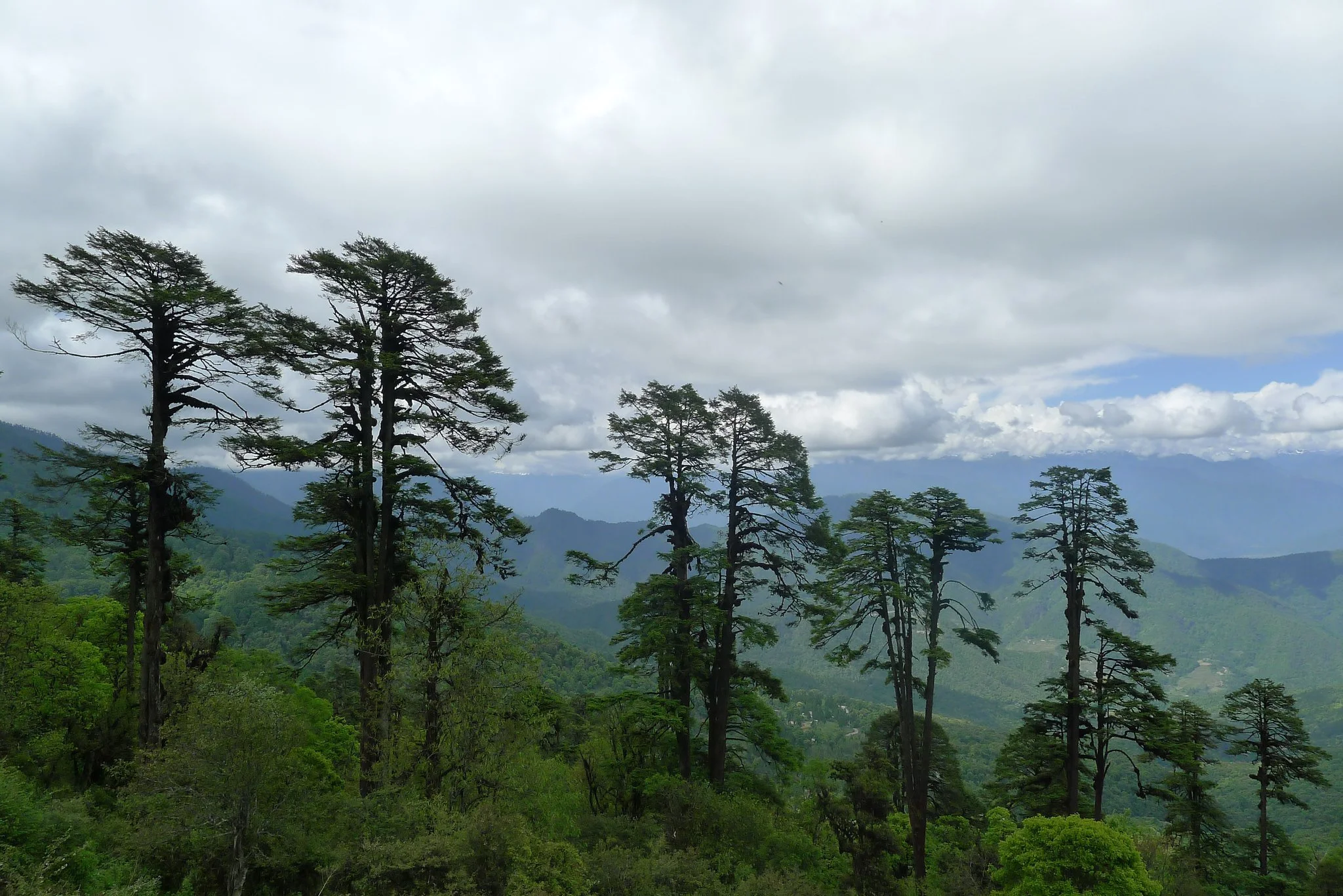
We moved up the ridge quietly, enveloped in the cold mist pouring over the mountain saddle. The thin trail skirted the ledges and cracks from the steep angles dropping out around us, as we moved through the cool clouds higher up into the sky. Earlier we had passed through stands of rhododendron with its floppy pink flowers and up through thick blue and white pine. Our trek brought us through the forest growing zones as we climbed toward the shrine. The three of us walked in sync, a quiet line following the landscape higher out of the tree line towards the crest of the ridge.
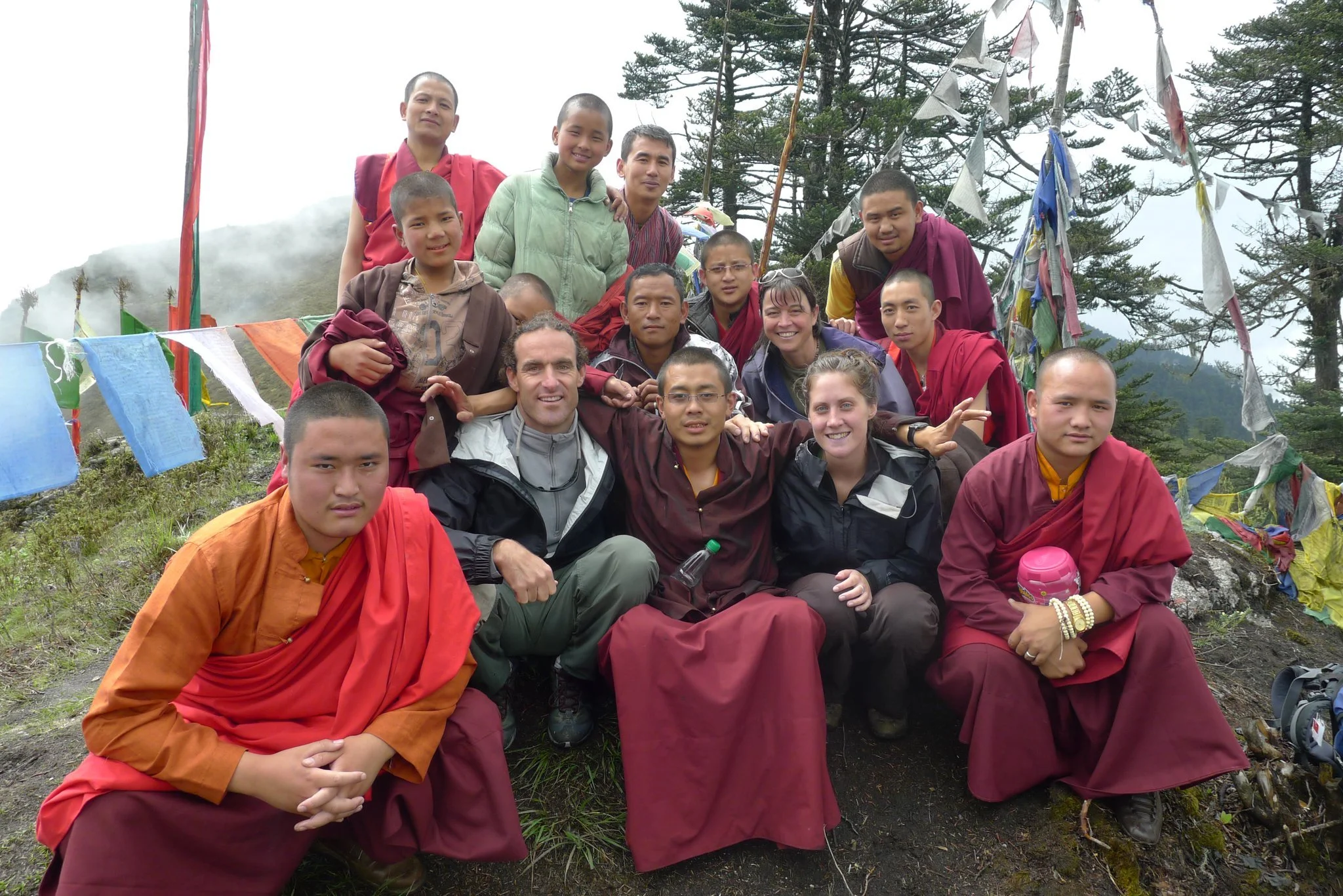
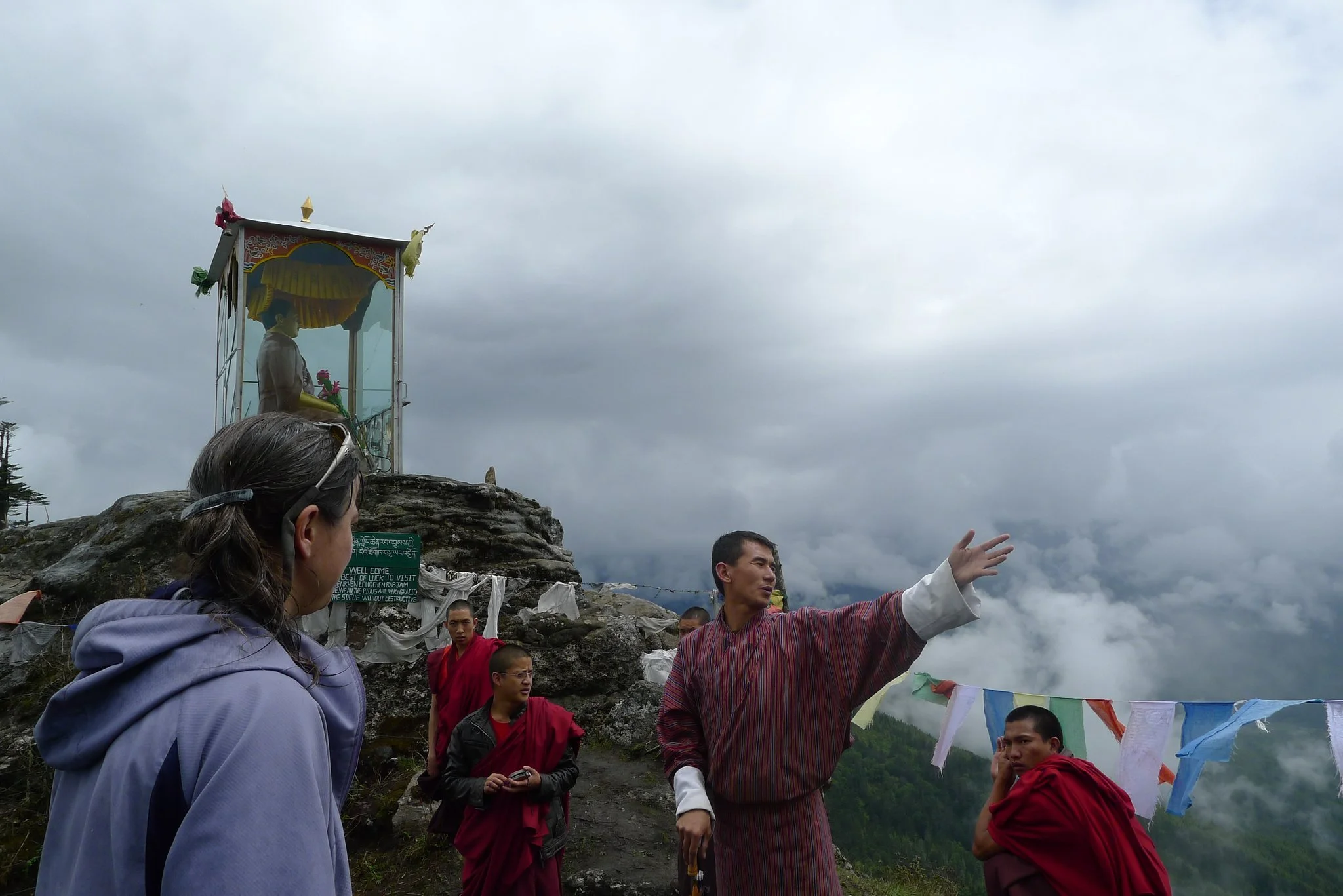
At the top a gold buddha statue was enshrined in a clear-cased pagoda and the wet prayer flags damply flapping as if clapping our arrival. We stood and let the wind push misty bands of soft rain past us and into the fog below. A bit later, up came a group of monks in training from a small monastery down in the valley over. After a moment of surprise to find us atop the ridge, out came smiles and ubiquitous phones from their colorful robes and we gathered and introduced each other. They took pictures, texted, and showed us their homes. We shared our day’s climbing, and scouted landmarks and future plans. We swapped names and histories. It is a special thing to come together with strangers in an extraordinary place. The unexpected meeting was only enhanced by our mixed culture and limited language, and of course the privilege of sharing this place, together, in the clouds.
We were in Bhutan to set up a semester study abroad program, in partnership with the government and forestry department, to study environmental science of this country’s fabled silviculture history and to immerse students in study across the country. As the Safety Director I was there to set up operations, manage housing and program structure, build drinking water systems and scout public health resources, transportation and logistics and operationalize a new program in this remote place. As rugged and untraveled as it is beautiful, Bhutan provided startling educational and travel opportunities along with very real risk management challenges. Our program included a full-service campus, field research, home stays, independent study projects, staff and student management and a mix of adventure programming. I was there to stand up the program and establish the services, itineraries and infrastructure that would enable these outstanding experiences, make everything work, and support the safest possible conditions.
All the best parts of the world seem to be at the edges of it, and this usually means supplies and equipment and services can be elusive and inconsistent. Sourcing parts and things and tools and specialized gear meant the arduous process of importing necessities like specialized lab equipment, medical supplies, or commercial water filtration systems in bags and crates through a confusing and archaic customs process. It meant a weeks-long scavenger hunt through the country sourcing big and little items needed to host a semester program. Hunting through parts bins at markets, exploring dark warehouses and government sheds, driving to alleys, shops, docks and airfields and meeting the guy, who knew a guy, who knew the guy that might know where that thing was…. The trick here was to offer an immersive abroad experience in this unique place, while living up to our duty to the participants and western expectations of quality and care. This is mostly impossible, of course, but was an exercise in perseverance, creative thinking, Macgyvering and retro-rigging pieces and parts to serve our needs and make it all work. Patience, ingenuity, and acceptance are all crucial elements to getting this done.
Bhutan Forest
I have done this work on five continents, and each time we bring plans, manuals, lists, procedures, legal responsibilities and mission goals with us, all neatly packaged and usually drawn out in an orderly fashion from a series of neat meetings in clean, climate controlled rooms. It is all so organized. Then you arrive, and you realize how woefully incomplete you were, and learn of multiple challenges and barriers to your well thought out ideas. This always happens, and is the inevitable reality of this work. Your plans might be great, but they will never be enough and can’t possibly anticipate everything - the world is too complex, conditions are always changing, and the farther removed you are from origin, the greater the disparity between myth and reality. After decades of doing this, I may be slightly better at predicting what is needed, but this corrective process is core to the experience. Which is okay! Remember - acceptance is a key component of the process, being able to expect this and roll with it will enable you to adapt to the place all the more.
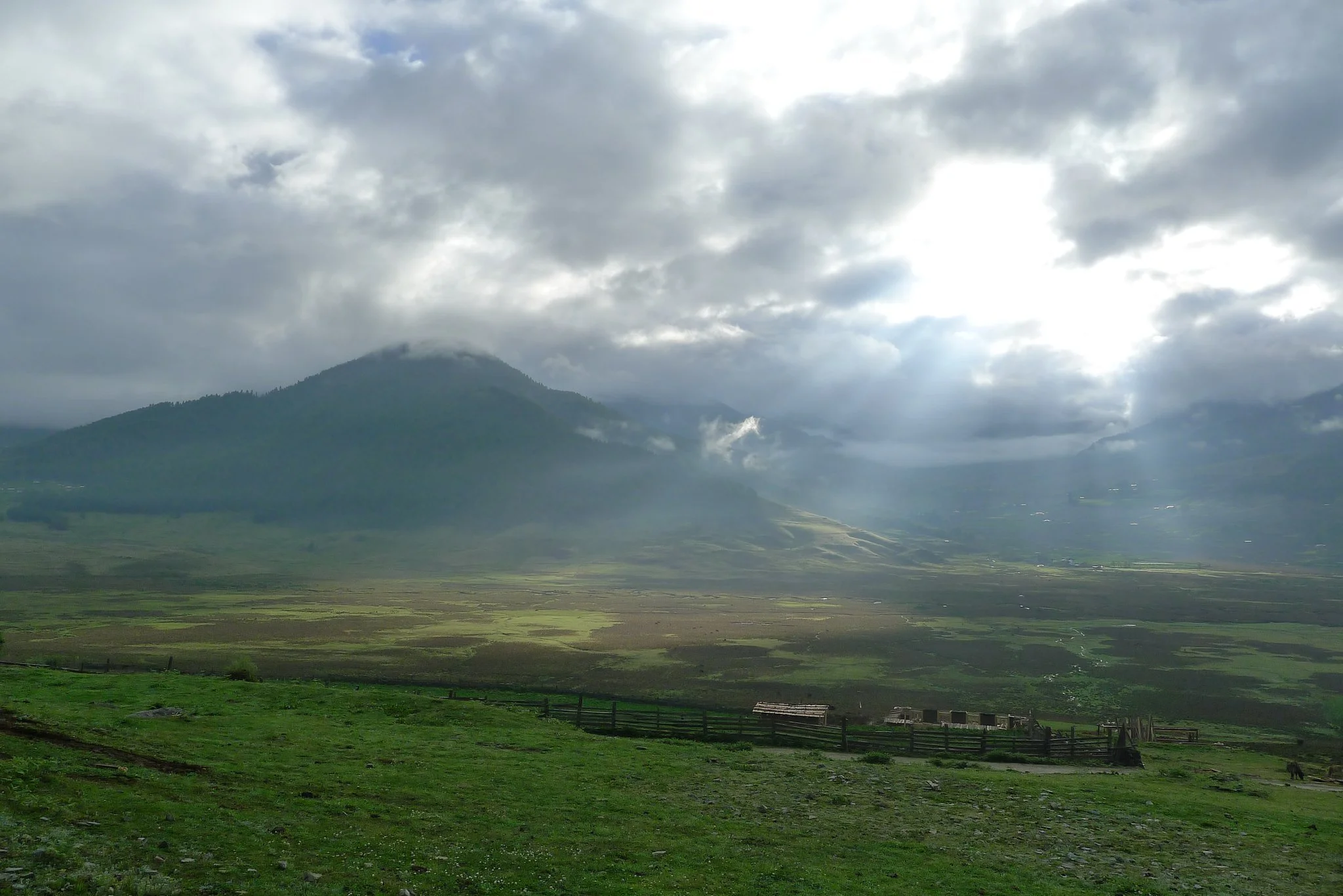
The Incomparable Phobjika Valley
So beyond ingenuity, hard work, some planning, and adaptation to the environment, what else makes it work? In a word: People.
Each program is a new community, a set of individuals coming together for a common purpose. Built on the mission and operational framework structuring the program, this group makes it all happen. We come together and form something new each time, slightly more than the sum of our parts, and our systems and programs need to match this new living element that drives the priorities and needs throughout the program.
Individuals
Each group, each student cohort across semesters, each iteration of the same program creates its own group alchemy that makes each program special and unique. All that each individual brings to the group gives it its special identity, never to be repeated. It is what makes running experiential education programs so interesting - the structure can be the same, and each iteration totally different. We are defined by all the collective ingredients we bring to our group, and this drives much of the appetites, interests, expectations, and tolerances. And so our safety and health systems need to recognize and support this dynamic, in order to serve it. If the structure can’t flex to the group identity a bit, it won’t serve its purpose well. Likewise groups need to adapt to the conditions and place. Rarely is the experience as it seems in the brochure - and experiences are always simultaneously worse, better, and different than imagined. Individuals represent the building elements of our groups, and create a unique thing that our risk and safety processes need to match and manage.
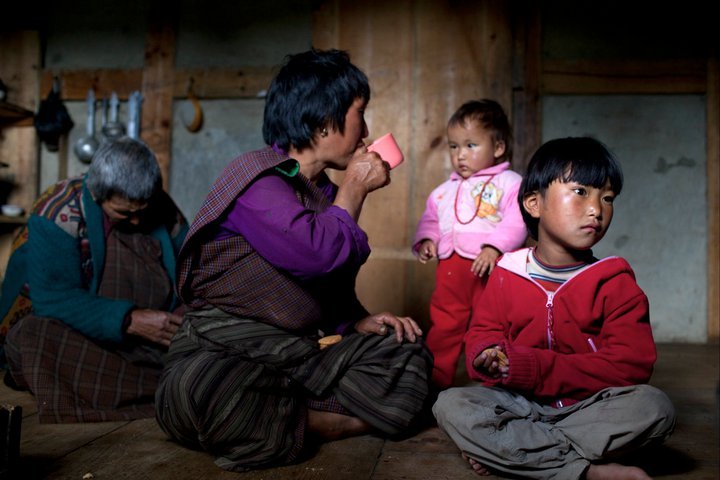
Bhutanese Village Family
Teams
Study, housing, work, travel, logistics and social groups become teams that begin to drive programs that need to fulfill a structure. We define roles and responsibilities for these teams to carry parts of the work and deliver essential functions. Teams bond individuals through proximity and common experience, and energize group dynamics. Teams specialize and become powerful creative forces that feed off each other and build spirit and productivity. Teams are the engine that make things work and help push accountability and progress. All essential for program operations to thrive.
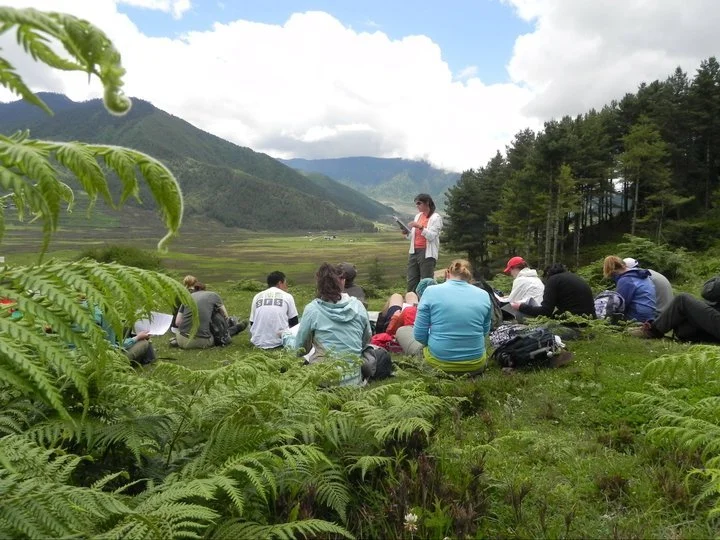
Outdoor Classroom
Network
Programs don’t operate in a bubble. The place, the people, the towns, the landscape, the history, the culture and language, all the sounds and smells and total feel creates an environment that infuses life and action into the program. The neighbors, drivers, deliveries, wildlife and livestock, town drunk, shopkeepers, kitchen staff and all the colorful elements that define a sense of place - it is a character in your program that impacts your planning, safety, organization, and interactions. This local network builds out not only the experiences that we come for but enables and disables our programs to operate as planned. Operational risk isn’t a sterile set of plans, but an approach that functions within a living system of the surrounding community.
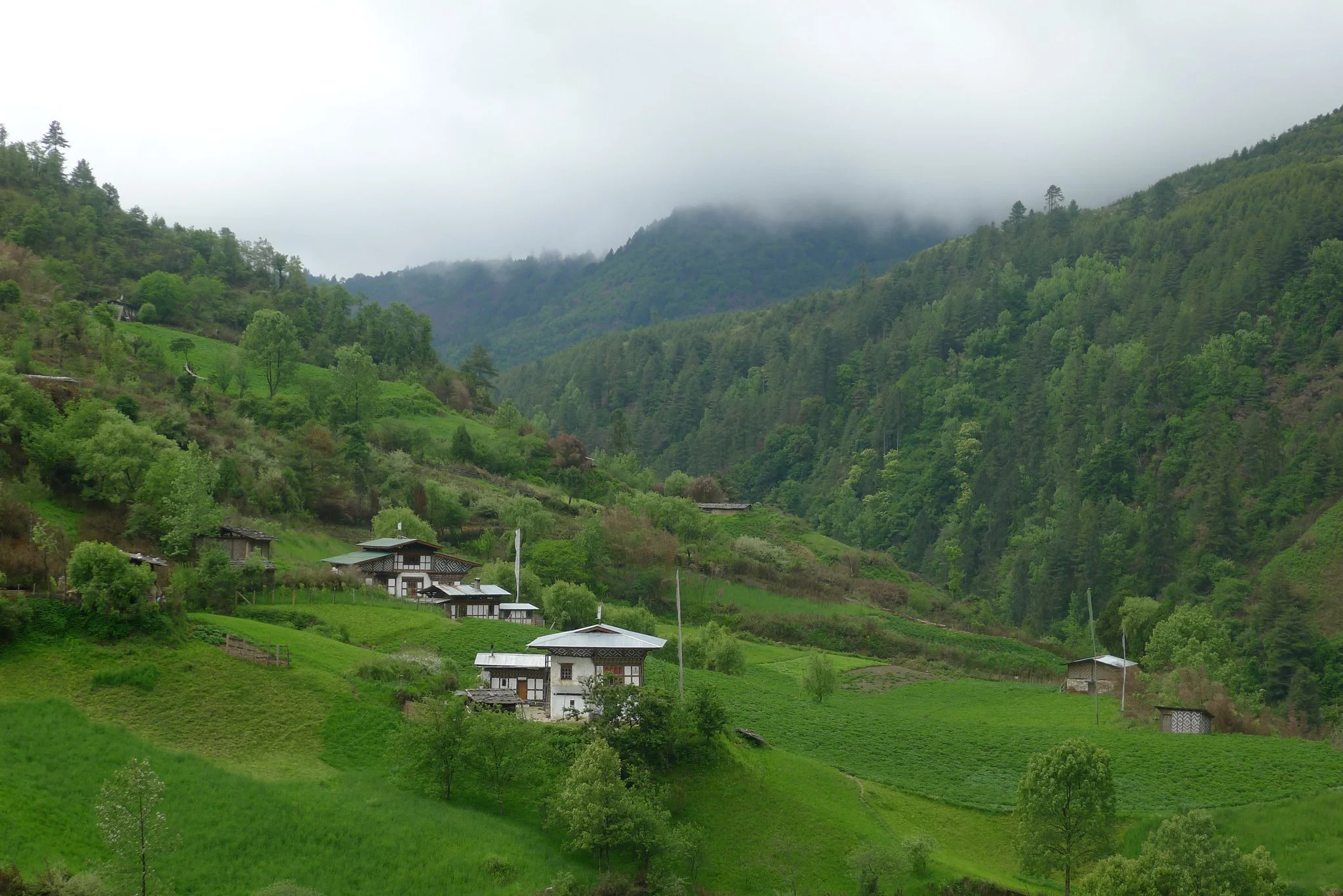
Valley Village
Community
Safety is a team sport. It works as a collaborative effort of our individual and team efforts involving the whole community around us. Most safety and risk management schemes are siloed linear two-dimensional maps, dislocated from the context and reality in which they operate. The more your operational risk management systems include the surrounding environmental pressures, and have flexibility to adapt to conditions and change, the better they will serve our unique customers, participants, clients, and partners. Your risk and safety planning should strive to be inclusive of the predictable and the unknown, and be ready to accept the revolving influences that impact your program. Community should always be a key factor - it challenges, changes, and benefits all at once.
Safety isn’t practiced in isolation, it happens in community.
The power of working toward a common project connects us more deeply, and binds us to our operating environment. In trusted teams we rise above compliance and merely going through the motions and begin to support each other and the mission at hand. Relationships turn policies into practice.
When connected to your teams and community, we are more likely to speak up, report concerns, check twice, have a more fulsome perspective, care more, make high quality decisions, and work with intended purpose. If safety is rooted in trust, and trust is built through connection, then our best safety and risk systems should focus on the people who represent our community.
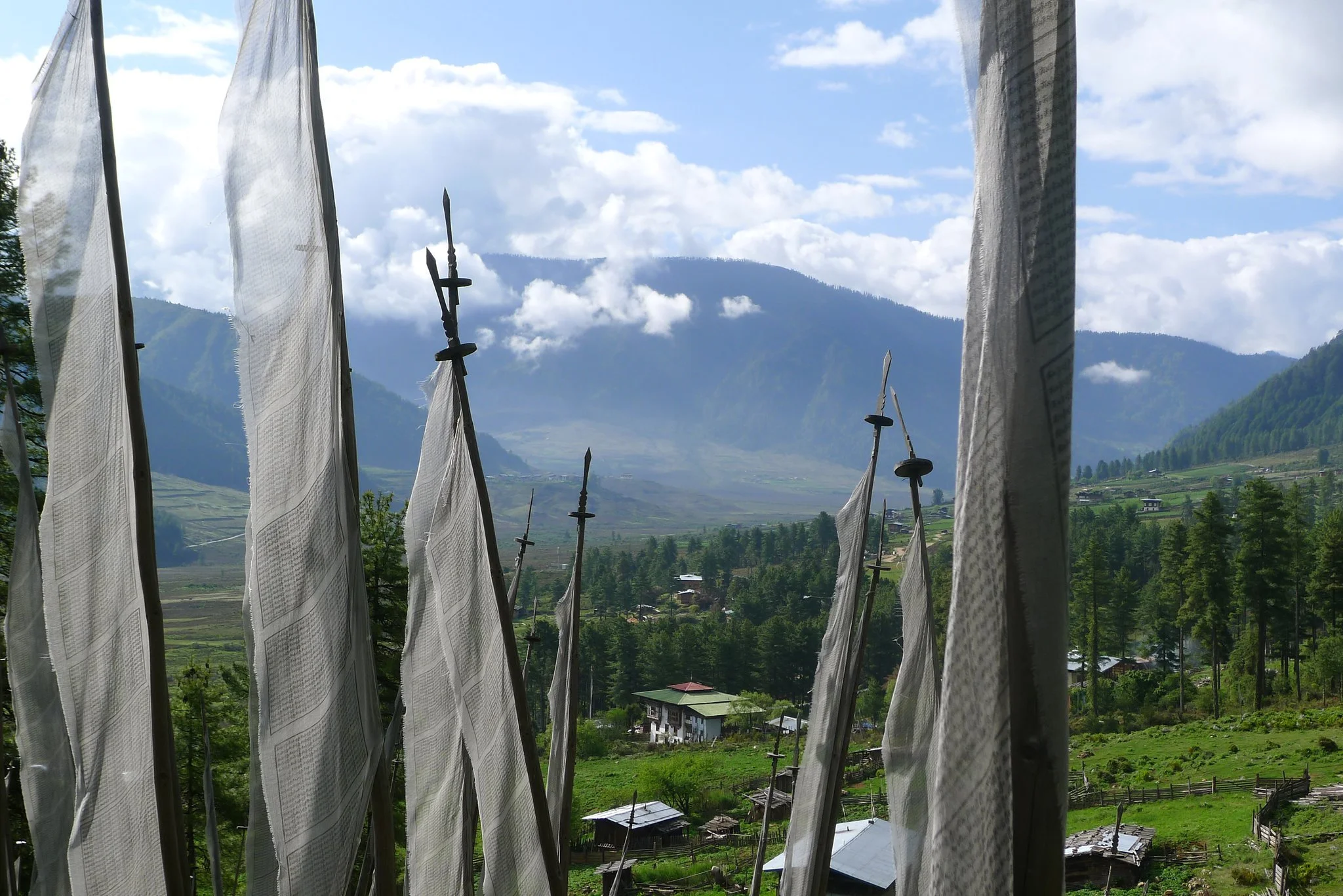
Valley Morning
By Todd Duncan, Owner/Principal Consultant, SeaBear Safety Solutions