
I have worked for large organizations with complex distributed structures, embedded bureaucracy and decades of entrenched practice. This makes change difficult and slow, and so these places tend to fail to adapt to conditions quickly, and it breeds a strange acceptance and operational malaise - almost a fatalistic culture that this is just the way of things. “Changing things here is like turning an aircraft carrier” was the well-worn phrase I heard repeatedly: thanks for all your new ideas, kid, but this is the way it works here. In some ways it was a hierarchical protection racket, senior staff guarding their own sphere of influence while at the same time preserving a lazy approach to initiating and completing new work. Everyone seemed to accept this prescribed working ‘weight’ that usually made lifting anything much bigger than an email difficult and unappealing. It turned ordinary inefficiency into an organizational character trait, as if it were an immutable feature of the company identity.
Of course, this was nonsense. Not only because it masked the intentional choice that was collectively made to simply do less and blame inaction on the size and age of the place, but because it broke every time it had to. When the organization needed to or wanted it badly enough, it pivoted fast and furious and with timely purpose. New social-cultural trend to implement to outwardly prove organizational values? Legal challenge threatening core programmatic need? Bad PR getting sideways to funding sources? New pet project of incoming director? Public outcry about some small but outsized socially energized cultural movement? Boom. Mandates from leadership, HR directives and policy, money appearing that didn’t exist before, new required training and guidance, flurries of memos and webinars and meetings and new strategic plans whooshed in out of nowhere. Suddenly the slow-motion machine covered in cobwebs sprung to life with new energy. We went from a careless dismissal of change to a strenuous push for exactly that, when the place wanted it badly enough, it could move super quick.
COVID, of course, was the masterclass of this. Everything that couldn’t be done, paid-for, changed, or even considered - immediately was. This global event proved anything was possible and forced smart choices, dumb choices, frenetic chaos and reimagined workforces - all of it - but it showed an ability and willingness to change that was before deemed impossible.
And then, over the ensuing years, it returns and in creeps the operational glue, backfilling the previous motivation and drive with a slow march toward paralyzation. Like a frozen shoulder never removing the sling, the joint losing range of motion and getting cast into place.
Many of the places I worked were so change-averse that when they finally did review that tired old policy or expand that legacy program, it was this earth-moving giant process that took forever and everyone hated. The longer the organization practiced avoiding change, the harder any change became, which only reinforced the instinct to avoid it. A nice negative reinforcing doom loop of inefficiency. Harder to get moving when you have to shake all the accumulated rust off and re-teach an unpopular process every time.
So what’s the deal? Is this some inevitable human condition, where proportional organizational size and complexity has an adverse relationship to efficiency? Is there some group psychology textbook formula that explains this? Is this just a consequence of management practice? Is this the natural progression of a maturing organizational model?
Like most things, it is likely a rich blend of human factors and market and social pressures, history and cultural norms and industry expectations. It also is unique to the entity. We all know small sleepy non-profits that creep along, and large tech companies that crank, breaking any predictive model graphing operational output. Just like you, I know lots of individual and organizational examples that defy what age and size ‘should’ mean. So embedded in there is a set of choices that drive outcomes. Whatever forces naturally cause small and large organizations to behave differently, a motivating sense of purpose and the will to act can override them.
All this to say that your organization’s ability, interest, and capacity to change all drastically impact your ability to manage risk. Practically as an essential component of making decisions, and functionally as you look to infuse safety, security, and emergency preparedness into operations and policy. This is even more the case when trying to build a culture that embraces safety thinking, and empowers staff to practice risk management in the scope of their own role everyday.
There may be no greater impediment to positive risk management than the resistance to change. It is a lazy, excuse-ridden, bias-tinged denial sandwich served to you day after day. Ironically, organizations can spend an enormous amount of time, energy and effort trying to not do something. It is an extraordinary contradiction I have witnessed frequently. The resistance problem often seems so big and immovable that it is hard to do anything but relent to it. Your acceptance validates everyone else’s so there is actually a downward pressure on innovation and new thinking.
And yet you know it is a changeable condition. Change happens. You watched other organizations change, and your own when it mattered. I’ve been there. This has been an intimately dominant feature of my work as a safety professional trying to change the way an organization defines and approaches how it manages risk. And every time I have been able to build, shape and create positive operational change. I have shaped whole departments from scratch in the face of entrenched resistance, department in-fighting, public scandals, layoffs, chaotic revolving leadership and institutional cultural wandering into the wilderness of mission drift. It can be done anywhere. This is a matter of engagement, relationship building, patience, luck, timing, perseverance, and sheer force of will. Each organization and the time you are there demand a unique set of ingredients, but it is always possible.
Risk Management can’t operate in isolation - it needs to blend together with all the holistic organizational management. Risk is everywhere, and so it needs to work alongside everyone. There are lots of components to this, and how a company regards and deals with change is a big one. There are also organizations at the other end of the spectrum, moving so quickly toward disruption that they impede their own capacity for thoughtful risk management. The “move fast and break things” mentality can be just as damaging, although this is a less common problem Mastering the ability to navigate organizational forces around change management in order to improve safety and risk is essential to better protecting the organization. While there isn’t a formula for success, there are some proven key ingredients that can be adapted to your organization to help programs embrace change. Managing risk is essentially a skeleton key that can unlock all sorts of institutional potential and turn this essential common business need into an enabling resource for effecting change.
Iterate
Managing risk is rarely a clean formula. It is a constant application of effort and process - of iteration - to improve systems and thinking and the practice of risk in the context of your organization. It is often tedious and unsatisfying - so much so, that getting this feeling usually means it’s working. If safety isn’t absolute, and it is not, then why should we expect the management and implementation of it to be? Making a little change every day helps this process. Start with the easy wins, build relationships and trust by offering tangible, enabling support. Break the tradition of massive renewal and build the habit of continuous improvement with processes and systems that drive common review and tweaks along the way.
Pick Your Battles
You can’t do everything all at once. Choose your projects wisely, and draw on things that matter judiciously. Patience wins, this is a long process. If you hold fast to everything, you won’t be taken seriously. Prioritize your hard stances, and strategize the impacts it will have. Be smart about it and think long-term.
Embrace The Suck
Strap in. This is an enduring grind and a form of social long division that demands commitment. Be prepared to be the villain, and to suddenly find yourself at the nexus of departmental ire, most of which has nothing to do with you or your role. This is a group dynamics puzzle that never really ends. And like all challenging endeavors - it is interesting, empowering, humiliating, illuminating, and all the things that make a great experience. It is super rewarding to move a thousand disparate parts to move in the same direction.
Incidents Are Your Friend
While we endeavor to reduce the frequency and severity of incidents, they will always be present. The small and medium incidents that are normally present in any business are a great way to build trust and connection with staff and to show your reliability with safety and risk management actions. They also offer opportunities to establish reviews and training and corrections in real time when it means something and is personal for all involved. You will never have a better audience than during an incident so long as it is manageable, you serve as a reliable resource that listens, and provides supportive resources and tools on a human level.
Know Your Culture
Every organization has a unique atmosphere and working community that drives norms and expectations and attitudes. The bigger the place, the more sub groups and layers may exist. Understanding this is key to being able to speak the language, connect with all departments, and make productive cooperative change. Trying to bully something through is a sure way to tank your initiative and alienate your efforts. This takes nuance, sensitivity, and intuitive observation into being able to know your audience and coordinating all the disparate efforts. This is a deep topic, but pay attention to your organizational culture to balance preserving time-honored traditions and history with pushing a proactive safety culture in ways it may need.
All For One, One For All
Every work position is a risk manager on some level, the trick is getting people to recognize and accept it. Write this into job descriptions to define expectations, recruit more stakeholders to working groups, involve and empower more staff to help be the eyes and ears for safety and risk.
Size Only Matters So Much
The size and scope of your organization certainly inform the complexity and process of how it makes change - but it isn't destiny. Properly resourced, motivated, and most importantly organized workforces and leadership can move very quickly when needed. Some projects need more time than others, and your safety and risk management initiatives should match their context and need.
Teams
Don’t row alone. Rowing upstream in sync with a team not only works, but feels marvelous. Overcoming a heavy current together - where you have zero chance on your own - that’s the good stuff and is supremely satisfying. Rowing alone upstream will get you exactly nowhere - so accept the nature of the assignment, and build strong teams from the start.
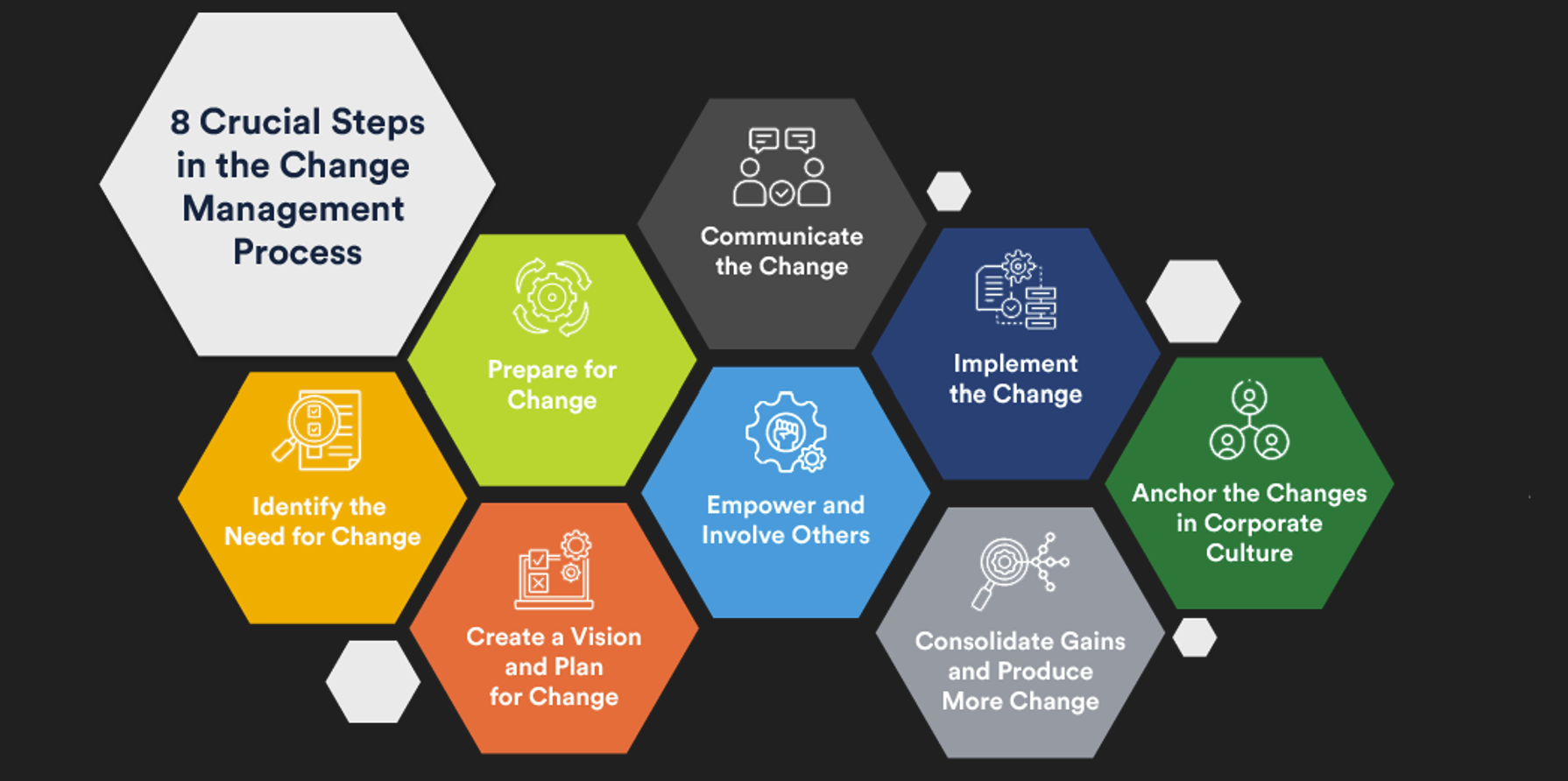
How your organization makes change is as important as the type of change you hope to make. In many cases developing the latest strategic risk and safety plan is the easy part and implementing it is the bigger challenge by far. Chances are it was never in your job description but will prove to be a crucial task for you to successfully execute your work. While challenging, risk management touches everyone and gives you instant relevancy across your organization. Your work can also prove to be the most tangible and essential across programs. Expand your planning and systems to incorporate all the realities of navigating your company culture and change management realities in order to infuse a regular habit of risk and safety action across your organization.
By Todd Duncan, Owner/Principal Consultant, SeaBear Safety Solutions